
2024-07-20
Warsaw's Green Revolution: City Center Now Off-Limits to Polluting Vehicles
After years of preparation and some lively debate, Warsaw finally flipped the switch on its Low-Emission Zone (LEZ) in July 2024. Now, a significant portion of the city center is off-limits to vehicles that puff out excessive pollution. It’s as if Warsaw has decided to slap a giant “no entry” sign on the smog-belching cars right in the city’s heart. The goal? To clean up the air and make the streets a bit more pleasant for pedestrians on their way to the next café stop. It’s a bold move that’s likely to stir up the daily commute and might even reduce the number of smoky exhausts choking Marszałkowska Street. For the details on the LEZ and its implementation, you can dive into the specifics on the city’s campaign page. Meanwhile, the experts at Ricardo have weighed in on what this could mean for Warsaw’s air quality, providing insights on their case study.
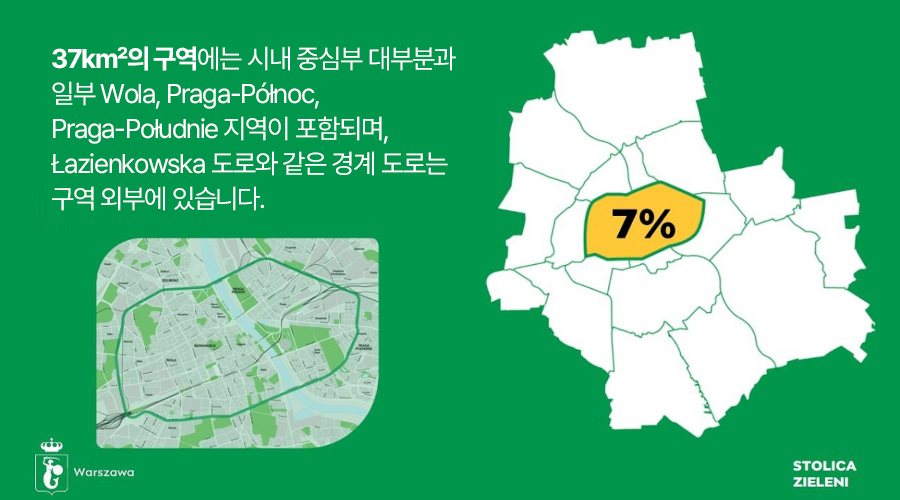
LEZ area in Warsaw (source: reconfigurated image from um.warszawa.pl)
So, what exactly is a Low-Emission Zone? Imagine it as an exclusive club where only the cleanest, most eco-friendly cars get past the velvet rope. LEZs first made their debut in cities like London and Berlin, where the goal was to keep the dirtiest vehicles out of the most polluted areas. It’s a straightforward concept: meet the emission standards, and you’re in; fall short, and you’ll need to pay a hefty fee—or take a different route. Warsaw’s new LEZ is the latest addition to this elite circle, following in the tire tracks of these pioneering cities. For a deeper dive into the origins and evolution of these zones, you might want to check out the detailed histories of Low-Emission Zones and Ultra Low-Emission Zones.
The Warsaw LEZ is all about encouraging cleaner, greener modes of transportation. If your vehicle meets the stringent Euro 6 emissions standards or runs on electricity, you’re good to go. But if you’re still clinging to a smoky old diesel or a gas-guzzling relic, it might be time to reconsider your options. The city hopes this initiative will push more people towards using public transit, hopping on bikes, or even embracing the idea of walking—though with Warsaw’s notoriously fickle weather, that last option might not be for everyone. The rules are straightforward: if your car doesn’t make the cut, it’s either upgrade or face being relegated to the outskirts. Detailed guidelines on what’s permitted and what isn’t can be found through the city’s official transport portal, here and further elaborated on by Prawo.pl. For a broader overview, Onet provides a comprehensive look at the changes this new zone brings.
But not everyone is cheering for this new clean and green revolution. Critics argue that the LEZ imposes an unfair burden on those who can’t easily afford to upgrade to an eco-friendly vehicle. It’s one thing to champion sustainability, but it’s quite another to expect people to empty their wallets just to keep driving into the city center. Some, like Salon24, even go as far as to call the LEZ a “scam” that disproportionately impacts the less affluent. Beyond the financial strain, others are questioning whether the LEZ will genuinely deliver on its promises or if it’s merely an elaborate exercise in feel-good policy-making. Krytyka Polityczna highlights concerns that the environmental benefits might be modest at best, especially given that the zone doesn’t encompass the entire city. Meanwhile, Do Rzeczy adds that these arguments are fueling a debate that’s unlikely to fade quietly into the background.

Super Ring - Żbikowski: I don't want anyone to stink up my family. Warzecha: You can move out! (source: reconfigurated thumbnail from youtube.com)
Of course, none of this comes as a surprise from Rafał Trzaskowski, Warsaw’s mayor, who has built a reputation as a staunch advocate for green policies. Whether he’s extolling the virtues of public transport or criticizing the reliance on fossil fuels, Trzaskowski is on a mission to position Warsaw as a leader in environmental sustainability. His active role in the C40 Cities Climate Leadership Group underscores his commitment to the cause. However, even a green champion like Trzaskowski isn’t free from criticism. Observers have pointed out the irony of his environmental stance when he’s occasionally seen driving a diesel car himself—a reminder that no one is above reproach, not even the mayor. As he quipped in response, he’ll switch to a greener vehicle when he can afford it, highlighting the practical challenges even advocates face. For a closer look at Trzaskowski’s environmental agenda and the discussions surrounding it, Polskie Radio and Money.pl offer insightful perspectives.
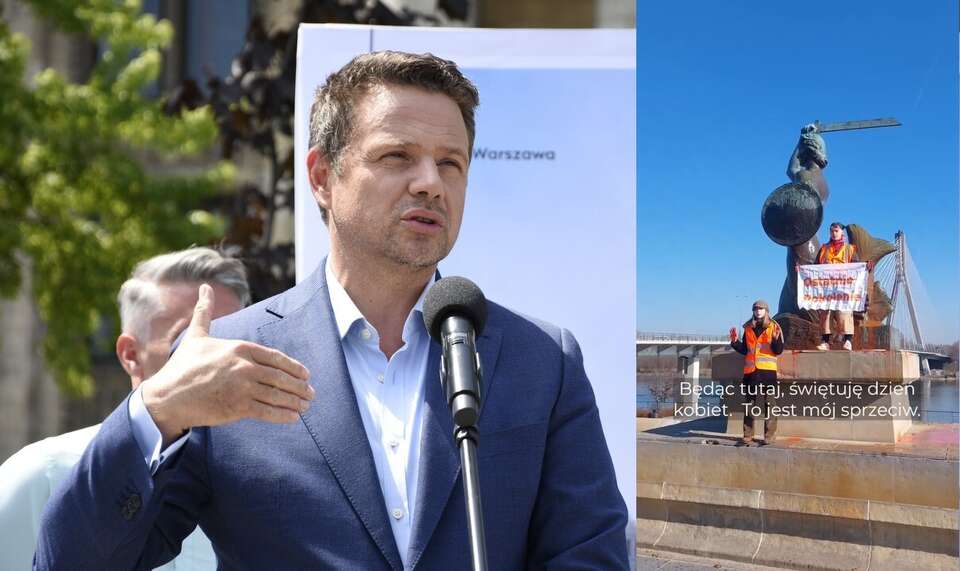
Rafał Trzaskowski (photo: wpolityce.pl)
As for the results of this grand policy, don’t hold your breath—at least not just yet. Experts suggest it will take a year or two before we start seeing any significant impact from the LEZ. So, it’ll be a while before we can confidently say whether the air is cleaner, the streets are greener, and the overall quality of life has improved. The city plans to keep a vigilant eye on the situation, with regular evaluations to monitor how the LEZ is faring. Based on these findings, they might even adjust the rules or consider expanding the zone. For those who enjoy tracking progress with a keen eye, updates and insights on the LEZ’s performance can be followed through RDC.
And finally, a thought from the streets of Warsaw that may find an echo in Seoul’s ongoing efforts to tackle air pollution. Both cities are confronting the challenge of reducing urban emissions, but the strategies they employ are shaped by their unique contexts. Warsaw’s LEZ, which restricts high-emission vehicles from entering the city center, offers a bold approach that could inspire similar measures in Seoul.
Seoul has already made significant strides towards greener transportation, recognizing it as a crucial element in achieving its net-zero goals. The city has been expanding its network of electric buses, promoting electric vehicle (EV) adoption, and developing Green Transport Zones. These initiatives align with South Korea’s broader commitment to reducing carbon emissions and fostering sustainable urban mobility, as highlighted by Seoul’s ambitious plans to reach net-zero by 2050.
However, as Warsaw’s example with the LEZ demonstrates, the effectiveness of such policies depends not only on regulatory frameworks but also on public acceptance, economic considerations, and the availability of green alternatives. In Warsaw, the LEZ is an experiment in both environmental policy and social behavior, with its full impact still to be determined. For Seoul, which is also pushing for widespread adoption of electric vehicles and improved public transit, the lessons from Warsaw could prove invaluable. As cities like Warsaw and Seoul forge ahead in their pursuit of cleaner air and sustainable futures, they remind us that while the goals may be global, the pathways to achieving them must be tailored to the unique challenges and opportunities of each urban landscape.
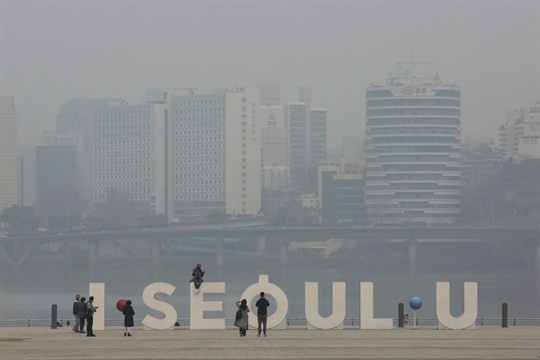
Polluted air in Seoul in March 2015. (source: taiwannews.com.tw)
